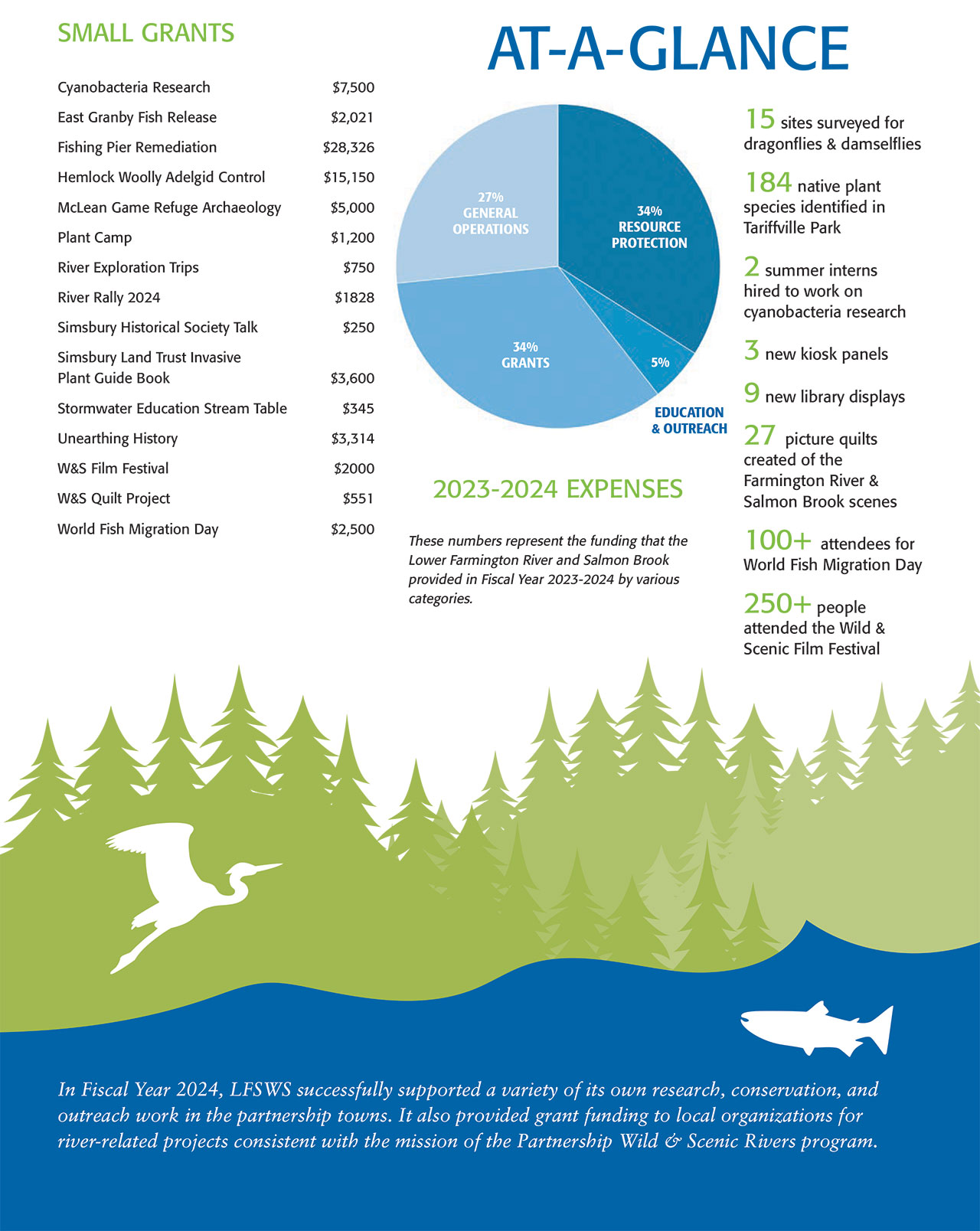
In Fiscal Year 2024, LFSWS successfully supported a variety of its own research, conservation, and outreach work in the partnership towns. It also provided grant funding to local organizations forriver-related projects consistent with the mission of the Partnership Wild & Scenic Rivers program.
Category Archives: Uncategorized
Wild and Scenic Film Festival
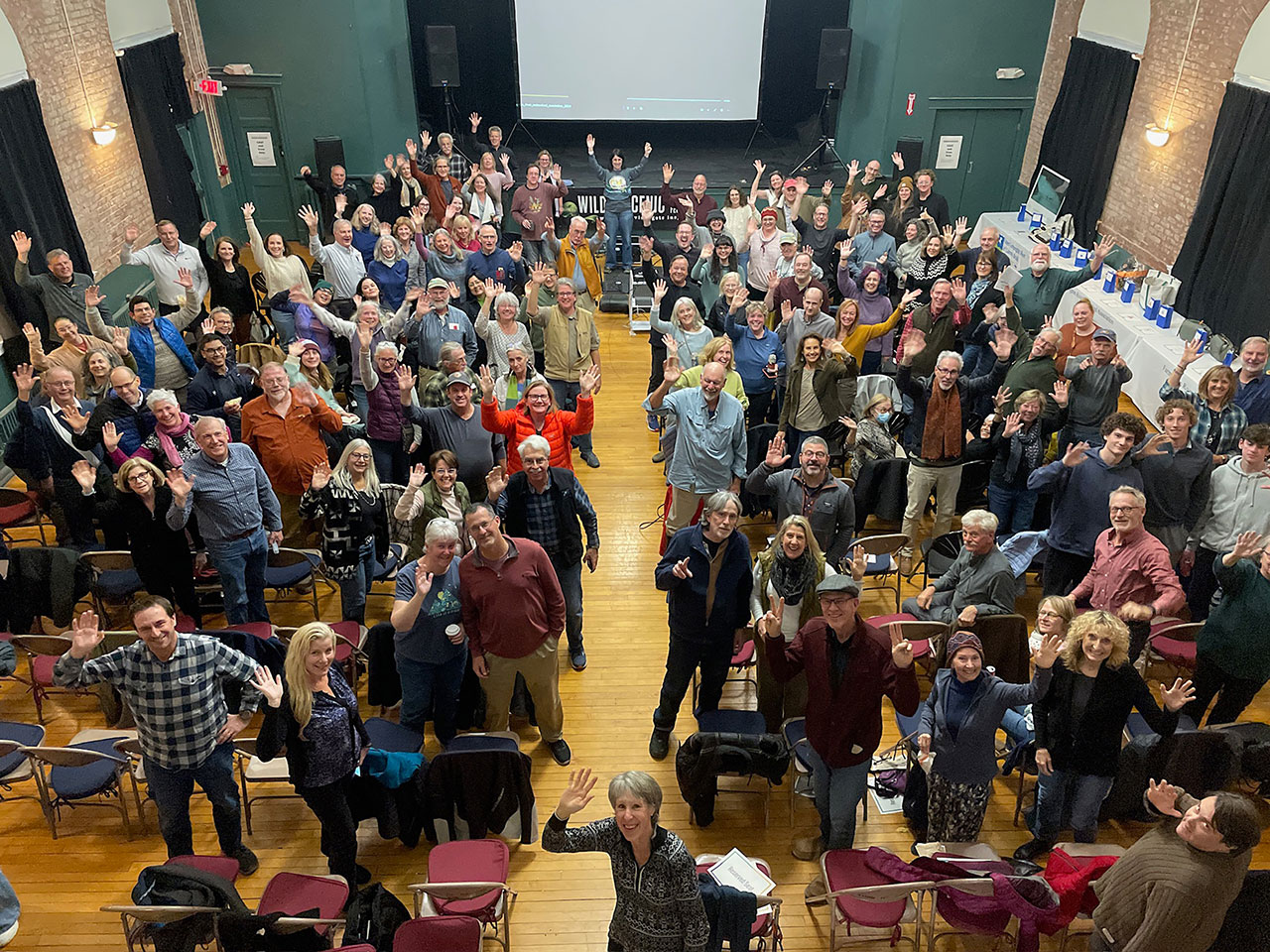
OTHER EDUCATION & OUTREACH PROJECTSLFSWS was proud to again help host the Wild & Scenic Film Festival along with our partners, FRWA and the Farmington River Coordinating Committee (FRCC). In addition to the traditional evening showing of the environmentally oriented Wild and Scenic films, a new event was added, a matinee with family-friendly films andContinue reading “Wild and Scenic Film Festival”
Stormwater Education Stream Table
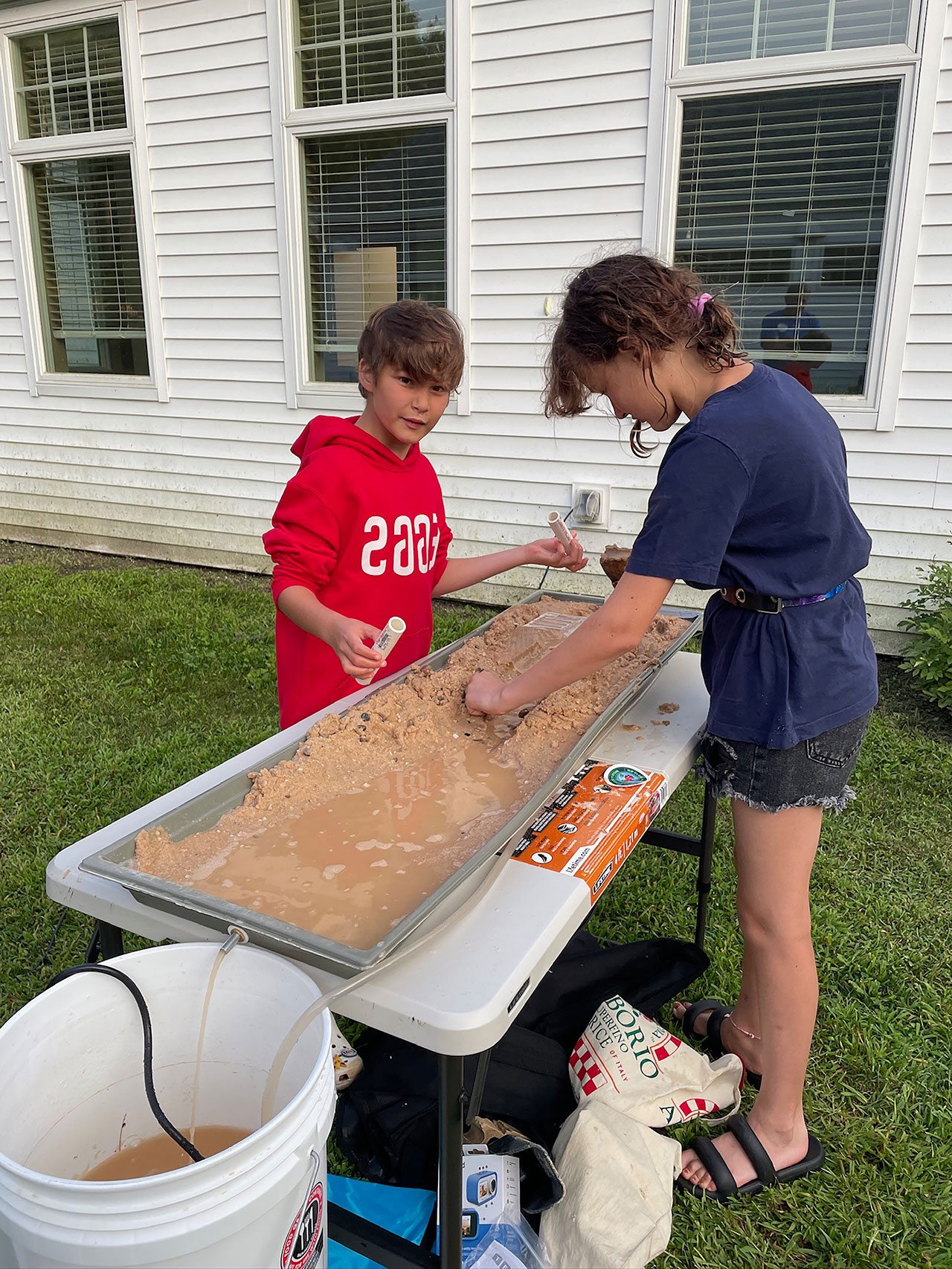
OTHER EDUCATION & OUTREACH PROJECTSLFSWS purchased a small stream table for use at educational events. FRWA debuted it at the Burlington Public Library for a stormwater education workshop. FRWA staff used the stream table to teach participants about stream hydrology, stormwater pollution, the effects of runoff, and current methods used to increase climate resilience inContinue reading “Stormwater Education Stream Table”
Simsbury Sustainability Fair
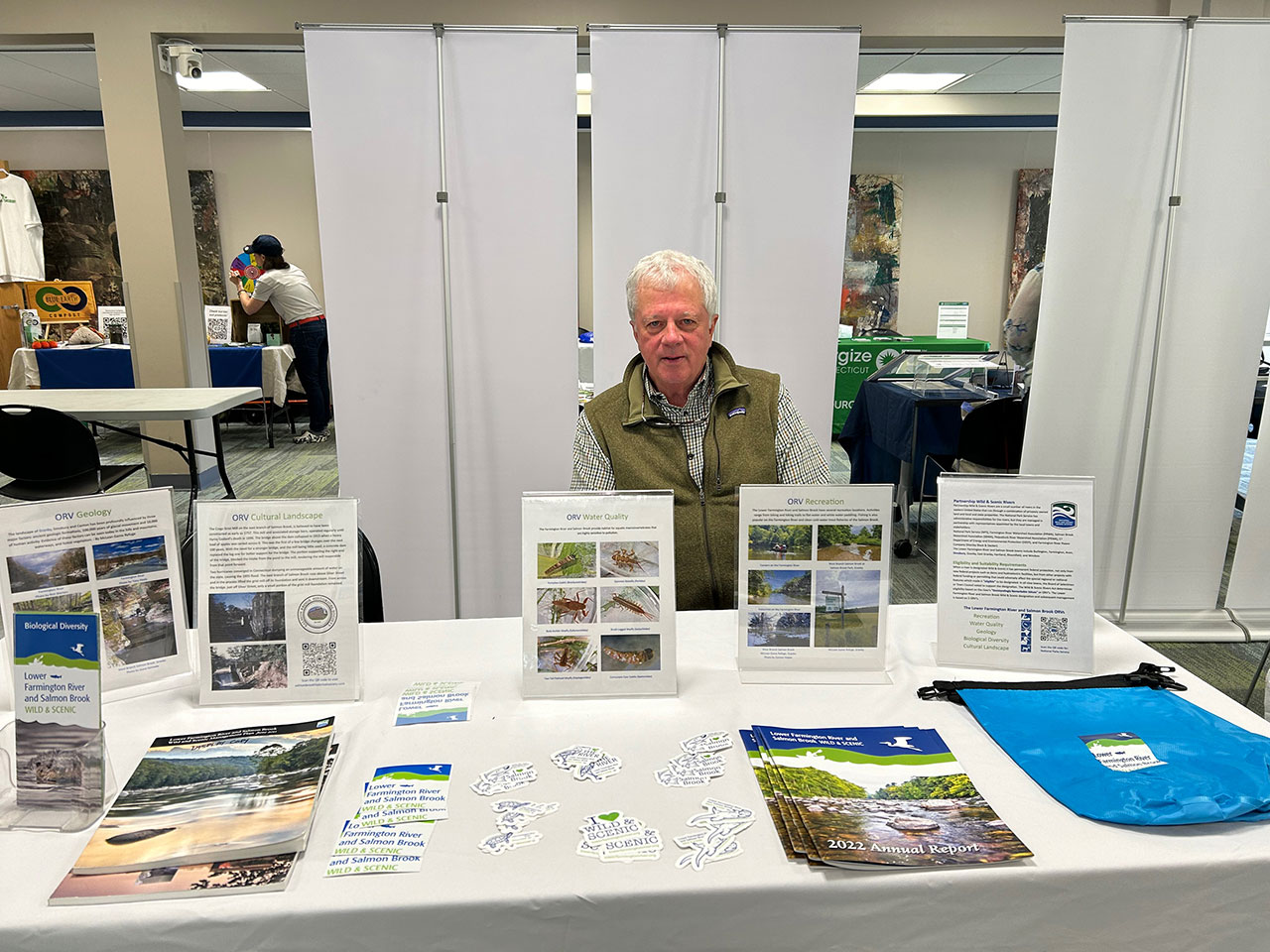
OTHER EDUCATION & OUTREACH PROJECTSLFSWS participated in the Simsbury Sustainability Committee’s first annual Sustainability Fair. Simsbury LFSWS representatives answered questions about the river and gave out brochures about the special resources of the river and brook. Our new Wild & Scenic stickers were popular, especially with young people!
Simsbury Land Trust’s Invasive Plant Brochure
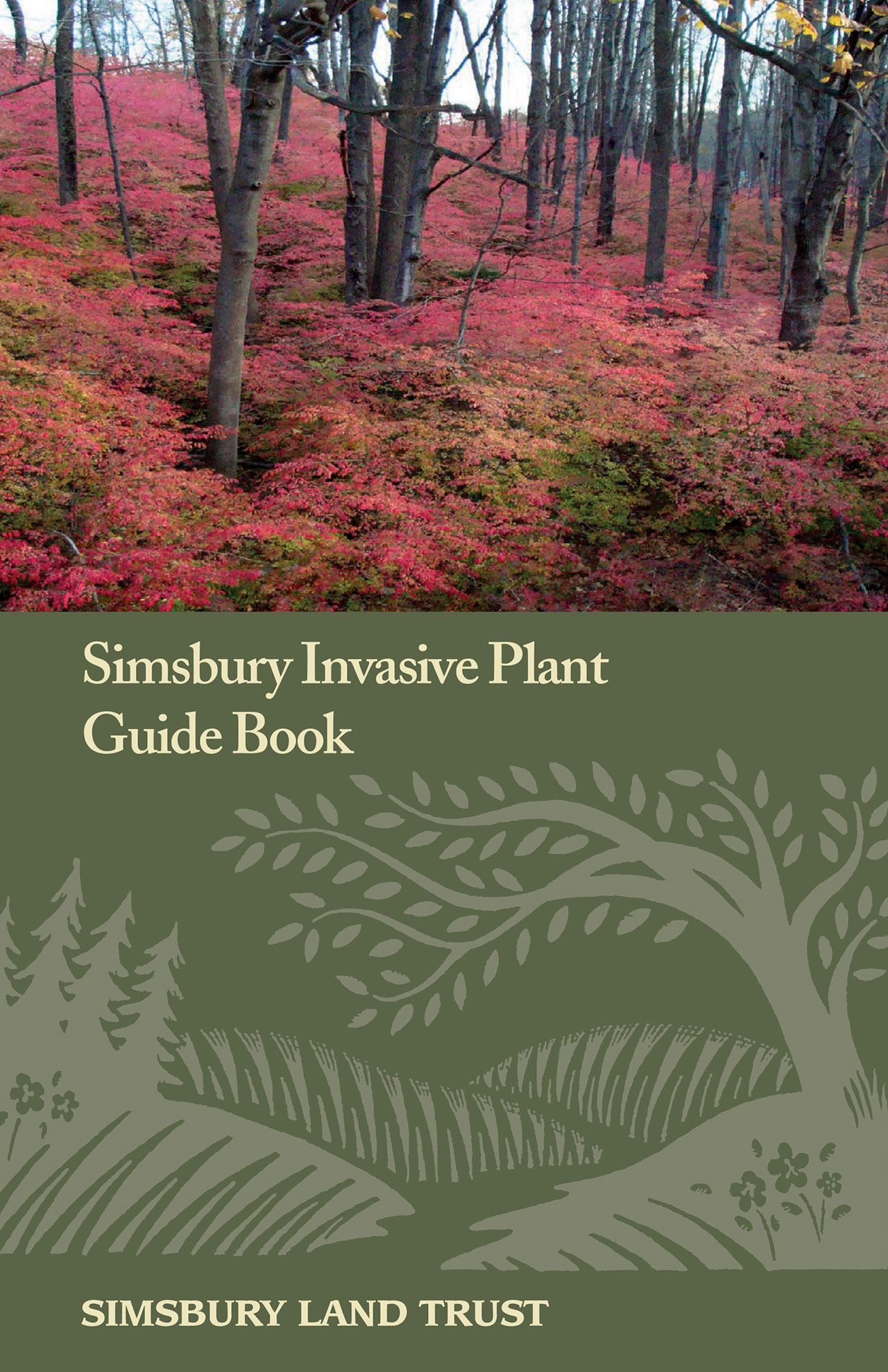
OTHER EDUCATION & OUTREACH PROJECTSSimsbury Land Trust received funding to help cover the cost of producing and publishing its booklet, Simsbury Invasive Plant Guide Book. The guidebook provides information on identification and control of common invasive plants and encourages property owners to remove them from their land to help protect natural habitat. The booklet wasContinue reading “Simsbury Land Trust’s Invasive Plant Brochure”
North Atlantic Aquatic Connectivity Collaborative (NAACC) Database Support
OTHER EDUCATION & OUTREACH PROJECTSLFSWS contributed funding to the maintenance of the North Atlantic Aquatic Connectivity Collaborative (NAACC) data center. NAACC is a network of individuals from universities, conservation organizations, and state and federal natural resource and transportation departments focused on improving aquatic connectivity across a thirteen-state region, from Maine to West Virginia. The databaseContinue reading “North Atlantic Aquatic Connectivity Collaborative (NAACC) Database Support”
World Fish Migration Day Celebrated at Northwest Park
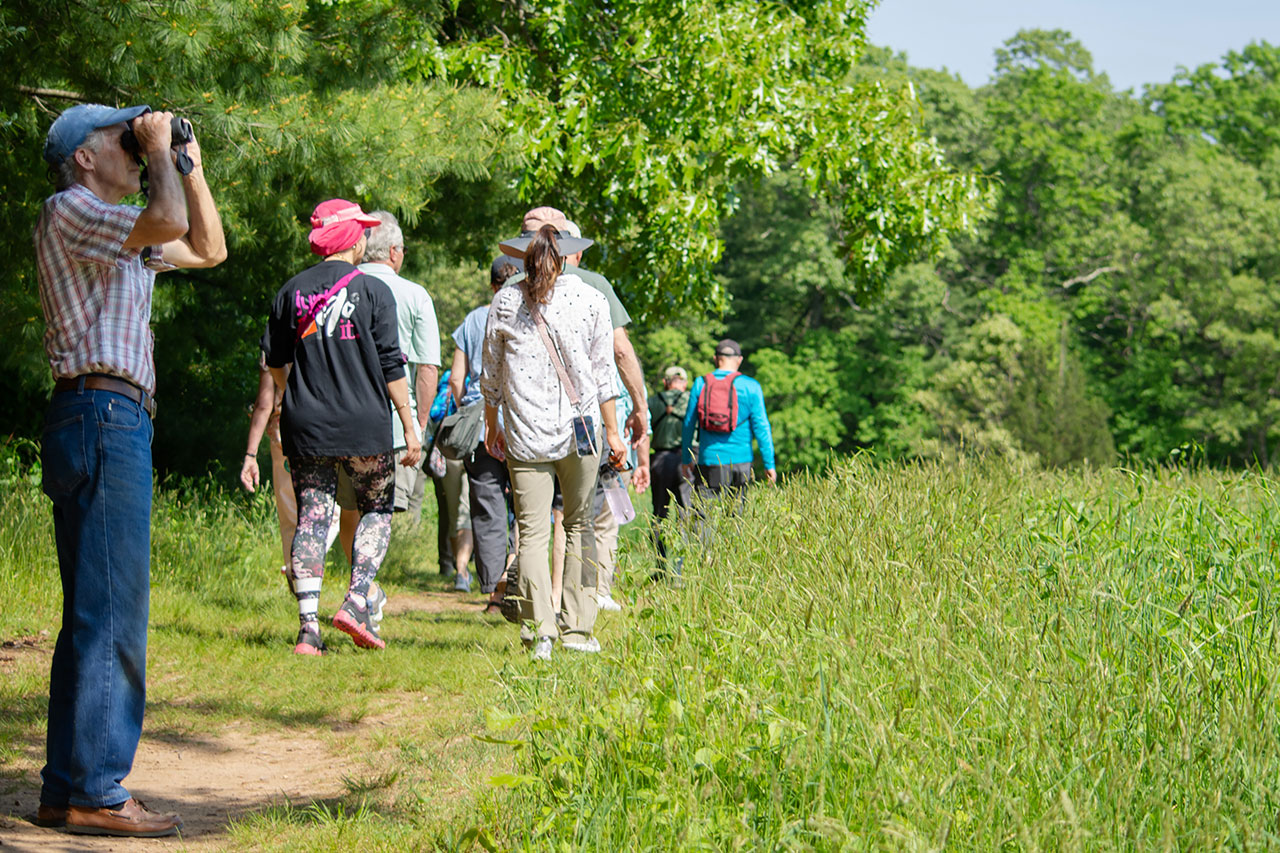
OTHER EDUCATION & OUTREACH PROJECTSThe Connecticut Chapter of The Nature Conservancy (TNC) received a grant from LFSWS toward hosting of a World Fish Migration Day event on May 21, 2024 at Northwest Park in Windsor. The purpose was to showcase migratory fish and efforts to restore free-flowing streams across the Long Island Sound region. WorldContinue reading “World Fish Migration Day Celebrated at Northwest Park”
River Rally 2024
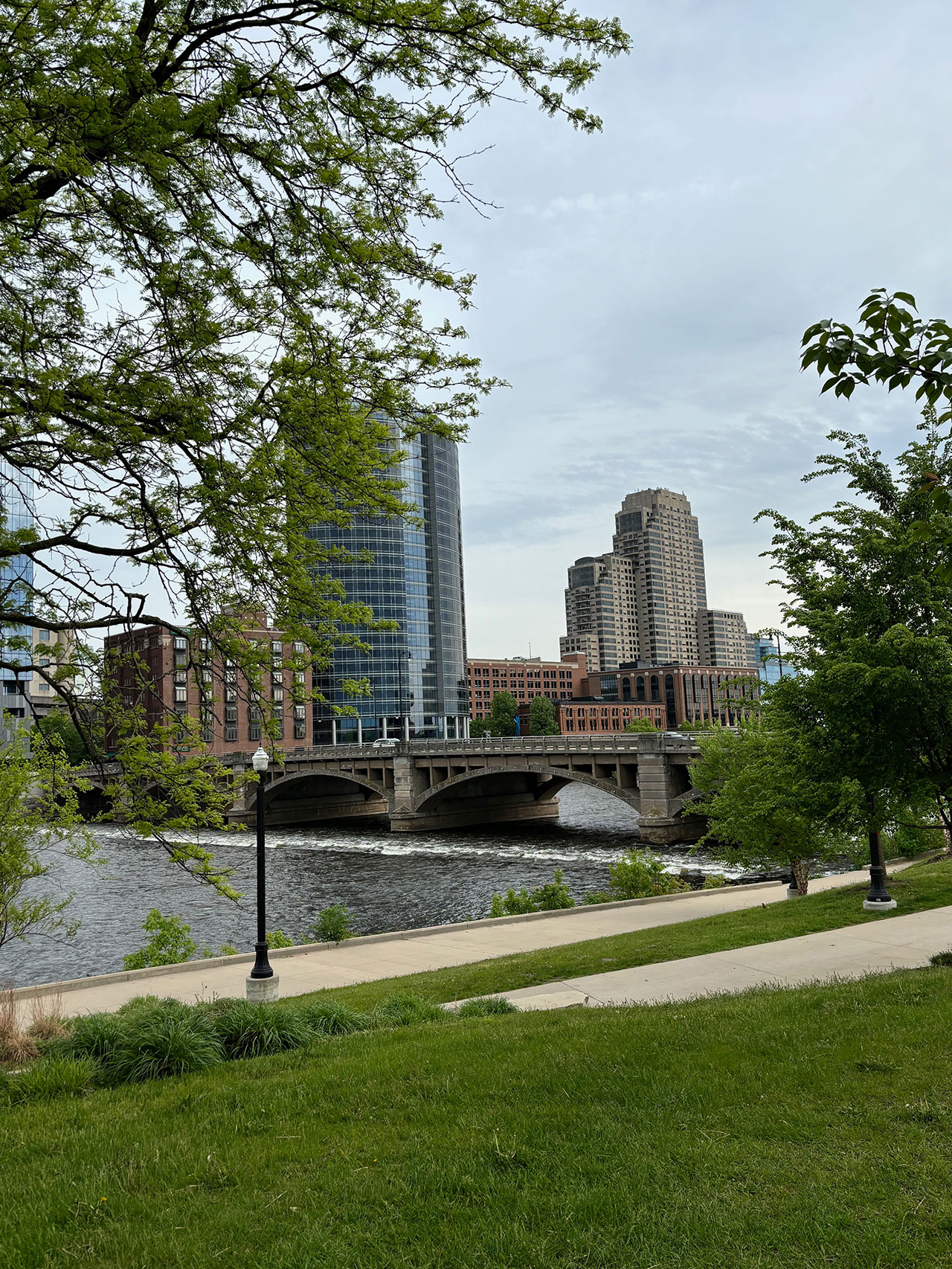
OTHER EDUCATION & OUTREACH PROJECTSRiver Rally is the national conference of the River Network (www.rivernetwork.org). Held every two years, it provides educational and networking opportunities for those involved in river conservation. LFSWS funded one of its members to attend and to report back on national rivers issues relevant to the lower Farmington River and SalmonContinue reading “River Rally 2024”
Northeast Aquatic Plant Management Society Plant Camp
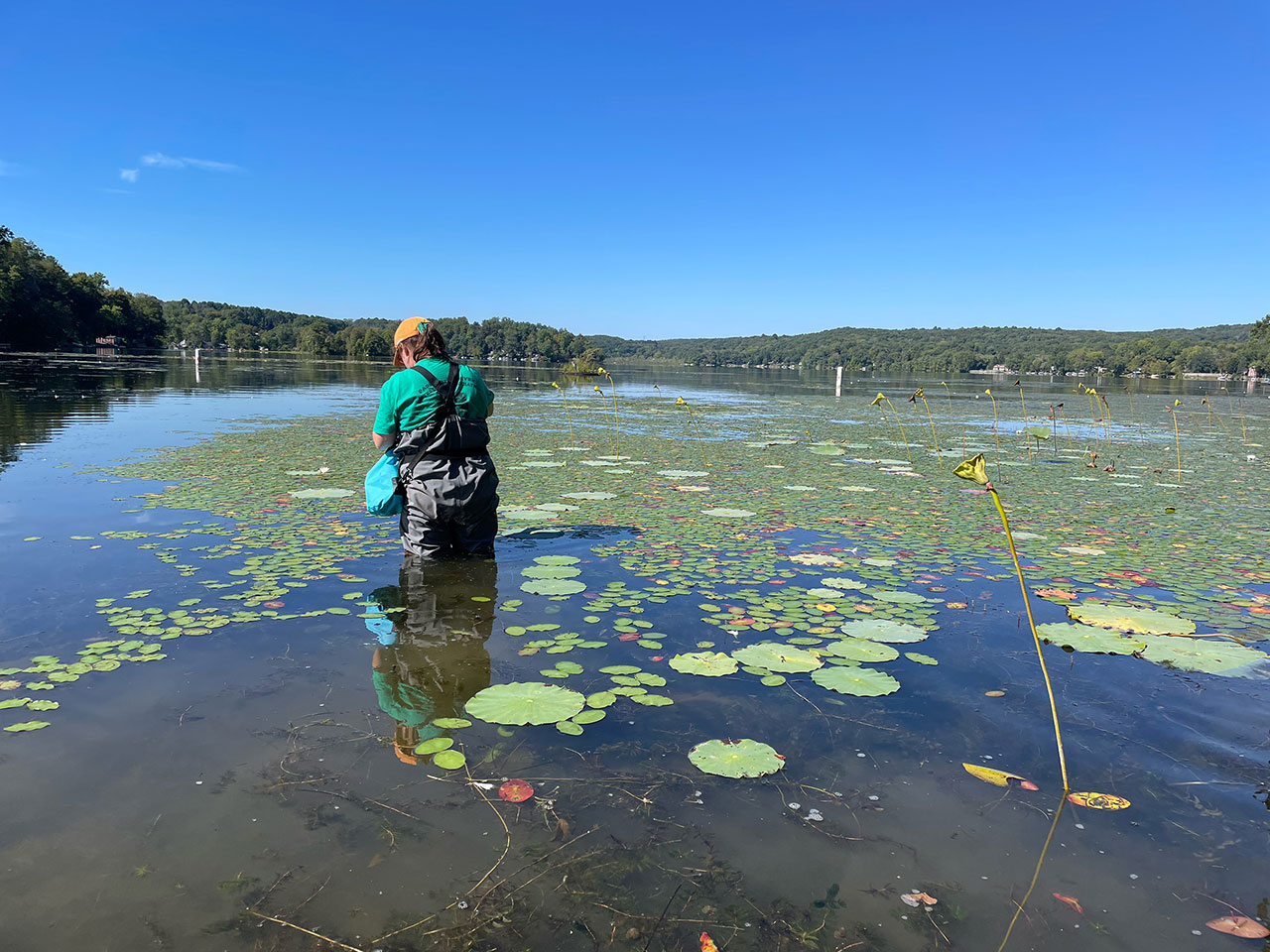
OTHER EDUCATION & OUTREACH PROJECTSLFSWS supported FRWA staff to attend the Northeast Aquatic Plant Management Society (NEAPMS) Plant Camp in New Jersey. Plant Camp is a 3-day symposium to allow professionals hands-on learning about native and invasive aquatic plants. The week was split between classroom sessions and in-field workshops where attendees learned to identify theContinue reading “Northeast Aquatic Plant Management Society Plant Camp”
Avon Historical Society’s Unearthing History
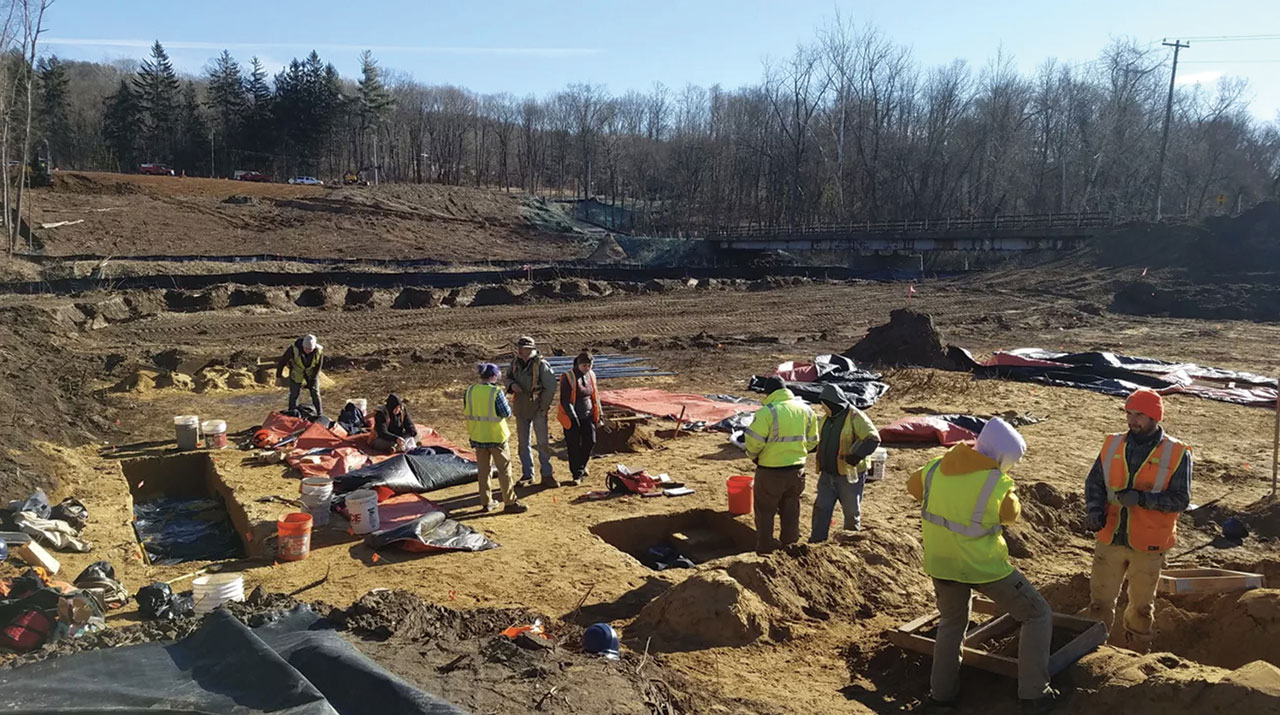
CULTURAL LANDSCAPE & RECREATIONLFSWS sponsored the third virtual series of lectures about Avon’s Brian D. Jones Paleo-Indian archaeology site. The first lecture this year was “The History of Native American Archaeology in Connecticut.” The series included a program on plant evidence from the site, addressing what people were eating and where they found it, andContinue reading “Avon Historical Society’s Unearthing History”
 Lower Farmington River and Salmon Brook Wild & Scenic